
What Is the Role of Big Data in Retail Analytics?
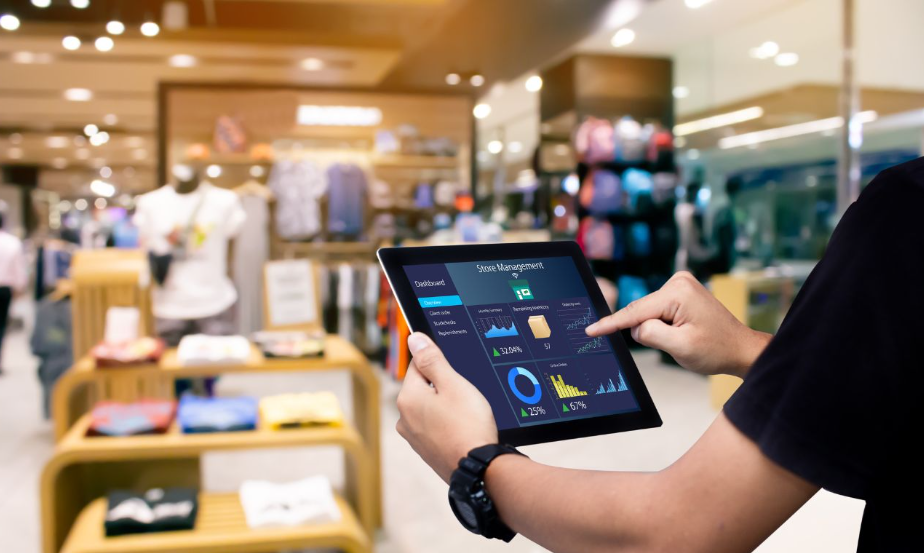
Big Data has become a fundamental asset in the realm of retail analytics. It allows retailers to analyze consumer behavior and market trends through various data sources. This analytical capability enhances inventory management, improves customer experiences, and drives sales growth. However, the full potential of Big Data extends beyond mere insights. It poses questions about data privacy, integration challenges, and the accuracy of predictive models that warrant further exploration.
Understanding Big Data in Retail
Big Data has emerged as a transformative force in retail, reshaping how businesses understand consumer behavior and market dynamics.
By leveraging diverse data sources such as social media, transaction records, and online interactions, retailers can uncover patterns and preferences.
Retailers use QR code integration to collect customer insights and link purchasing behavior to data analytics tools.
This analytical approach allows for tailored marketing strategies, ultimately enhancing customer engagement and satisfaction, while providing insights that promote a deeper comprehension of evolving consumer habits.
Enhancing Inventory Management With Analytics
Effective inventory management is increasingly reliant on the insights provided by advanced analytics.
By leveraging data-driven demand forecasting, retailers can anticipate consumer needs, reducing excess stock and minimizing shortages. This strategic approach facilitates stock optimization, ensuring that inventory aligns with market trends.
Consequently, retailers enhance operational efficiency, lower costs, and improve overall profitability, ultimately fostering a more responsive and agile business model.
See also: What Is the Role of Artificial Intelligence in Digital Content Creation?
Improving Customer Experience Through Data Insights
As retailers increasingly harness the power of data insights, they can significantly enhance the customer experience by tailoring services and offerings to meet individual preferences.
Utilizing customer segmentation allows brands to implement personalized marketing strategies, ensuring relevant interactions. This data-driven approach not only fosters customer loyalty but also empowers consumers, providing them with a more satisfying and individualized shopping journey.
Driving Sales Growth via Predictive Analytics
Retailers are increasingly turning to predictive analytics to drive substantial sales growth, leveraging data-driven insights to forecast customer behavior and optimize inventory management.
By employing sales forecasting techniques and conducting trend analysis, businesses can identify emerging patterns and adjust their strategies accordingly.
This proactive approach empowers retailers to meet customer demands effectively, enhance operational efficiency, and ultimately increase profitability in a competitive marketplace.
Conclusion
In conclusion, the role of Big Data in retail analytics resembles a finely tuned orchestra, where each data point contributes to a harmonious understanding of consumer behavior and market dynamics. By leveraging comprehensive insights, retailers can refine their inventory management, enhance customer experiences, and stimulate sales growth through predictive analytics. This data-driven strategy not only fosters informed decision-making but also positions retailers advantageously in a competitive landscape, ultimately leading to greater operational efficiency and customer satisfaction.


